
Dental Crown Price Dubai - Smart Smile Dental Clinic
- Home
- Dental Crown Price Dubai - Smart Smile Dental Clinic

When could a dental crown be necessary?
When a tooth has lost too much of its natural structure, such as following a root canal procedure, dental crowns can be utilised to restore the tooth’s appearance and function. Additionally, they are utilised to hide stained or poorly formed teeth, prevent a weak tooth from fracturing, and maintain a bridge or denture in place.
What takes place through out dental crown procedure?
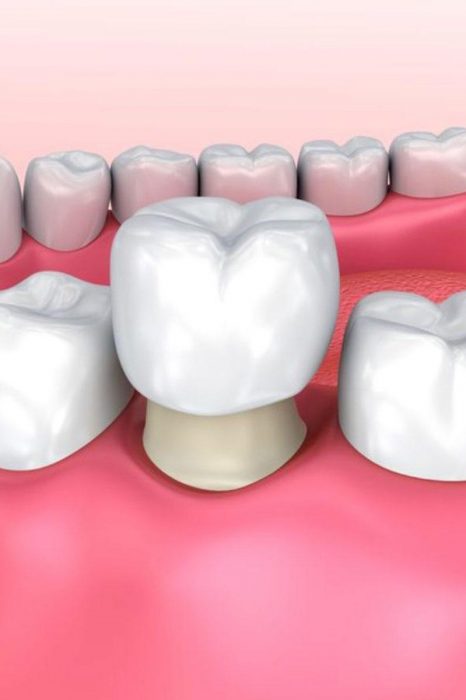
A part of the tooth’s outer surface will typically be removed by the dentist in order to prepare it. The crown’s thickness will match that of the layer that was removed at budget-friendly dental crown price Dubai.
The dentist creates a mould of the tooth and sends it to a technician who will create the crown in order to create a crown. It can frequently be matched to the colour of the surrounding teeth to blend in. To help you by while the permanent crown is being produced, you can be given a temporary crown. When the permanent crown is prepared, the dentist uses dental cement or adhesive to fit it in place.
What are different types of Dental Crowns treatment?
Dental crowns come in five different varieties.
- Porcelain Fused to Metal Crowns: It is durable but only offer mediocre cosmetic effects.
- Porcelain Fused to Zirconia Crowns: They are durable and produce beautiful aesthetic effects.
- Full ceramic crowns: Although they produce an attractive finish, they are not as strong as PFZ crowns.
- Full metal crowns: Full metal crowns are not aesthetically pleasing. They still fulfil the purpose and are highly resilient.
- Gold Crowns: These are quite durable but not particularly aesthetically pleasing. However, some patients like gold crowns because of their visual appeal.
Frequently Asked Questions (FAQs)
Answer:
A dental crown is a tooth-shaped cap that covers a damaged or decayed tooth to restore its shape, strength, and appearance. Crowns can be made of porcelain, metal, or a combination of materials. They protect the tooth and improve its functionality.
Answer:
A crown may be recommended if a tooth is severely decayed, cracked, worn down, or has had a root canal. Crowns are also used to improve the appearance of misshapen or discolored teeth and to support a dental bridge.
Answer:
With proper care, dental crowns can last 10–15 years or even longer. Their lifespan depends on factors like oral hygiene, diet, and habits such as teeth grinding. Regular dental check-ups help maintain them.
Answer:
The process usually takes two visits:
- First visit:The dentist reshapes the tooth and takes an impression to create a custom crown. A temporary crown is placed.
- Second visit:The permanent crown is fitted, adjusted for comfort and bite, and cemented in place.
Some dental offices offer same-day crowns using advanced technology.
Answer:
The procedure is generally painless, as the dentist uses local anesthesia to numb the tooth. After the anesthesia wears off, mild sensitivity or discomfort may occur for a few days, but it usually resolves quickly.