
Minor Surgical Procedures
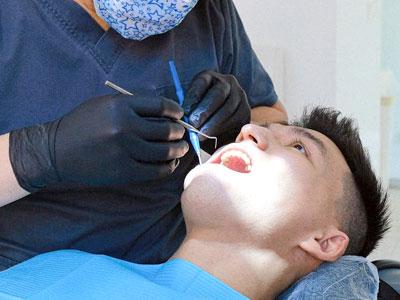
Removal of broken teeth, wisdom teeth, retained or buried roots, and upper and lower jaw cysts are all cases of minor oral surgery. Additionally, it involves apical surgery and the elimination of minor soft tissue abnormalities in the mouth, such as mucocele, ranula, high labial or lingual frenum, etc.
At Smart Smile Care Dental Center, minor surgical procedures include the below surgical treatment-
Removal of Wisdom Teeth
A wisdom tooth extraction is required to get rid of an impacted tooth that hasn’t fully emerged from under the gum line. An impacted wisdom tooth can cause a lot of pain, difficulty cleaning the tooth, and inappropriate tooth eruption, particularly if the tooth shifts sideways and brushes up against neighbouring teeth.
Endodontic Retreatment
And endodontic retreatment, also known as a repeat root canal procedure, is performed on a tooth that has already undergone root canal therapy. When the first root canal procedure has failed and the original symptoms (infection, tooth abscess, or discomfort)have returned, this small oral surgery is required.
Treatment for TMJ Disorder
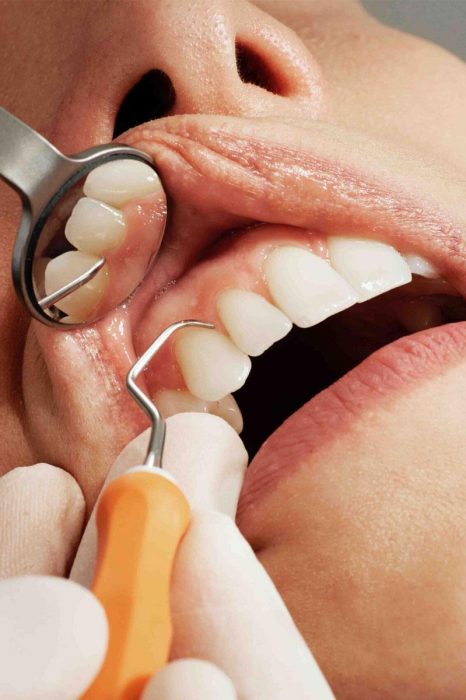
When medicine, exercise, splints, or physical therapy are ineffective for treating TMJ (Temporomandibular Joint) issues, minor dental surgery is required. Similar to when a particular jaw joint has been confirmed to be affected by TMJ Problem, the surgical operation is performed on the jaw area.
Apicoectomy
Apicoectomy is a surgical operation that involves cleaning the area around the tooth’s tip and placing a filling at the end of the root. The intention is to keep any germs that could still be present in the canal system under check.
Frequently Asked Questions (FAQs)
Replacing a missing tooth is important because gaps can lead to shifting of nearby teeth, bite problems, difficulty chewing, speech issues, and bone loss in the jaw. Missing teeth can also affect your smile and self-confidence. Early replacement helps maintain oral health and facial structure.
There are several treatment options, including:
- Dental Implants– A permanent solution where a titanium post is placed in the jawbone to support a crown.
- Dental Bridges– A fixed prosthesis supported by adjacent teeth.
- Removable Partial Dentures– A removable appliance that replaces one or more teeth.
- Complete Dentures– Used when all teeth are missing.
Your dentist will recommend the best option based on your oral health, bone condition, and budget.
Dental implants are often considered the best long-term solution because they look, feel, and function like natural teeth and help preserve jawbone. However, the best option varies depending on individual factors such as bone health, number of missing teeth, medical history, and financial considerations.
Most procedures are done under local anesthesia, so discomfort during the treatment is minimal. Some mild pain or swelling may occur afterward, especially with implants, but it can usually be managed with prescribed medications. Modern dental techniques make the process relatively comfortable.
- Dental Implants:15–25 years or more with proper care
- Bridges:7–15 years
- Dentures:5–10 years (may need adjustments over time)
Good oral hygiene and regular dental check-ups significantly increase the lifespan of any tooth replacement.